
Once regarded as a model of stability in nature, glass bottles lay silently in the sand, flowing with the passage of time. However, a recent astonishing discovery has disrupted this equilibrium, revealing hidden secrets within glass bottles. During an accidental experiment, scientists found that the lifespan of glass bottles is far longer than we ever imagined—reaching an almost unbelievable duration. This fascinating discovery has ignited public curiosity and rapidly become a hot topic in research.
So, what gives glass bottles such an astonishing life cycle? What enables their near-infinite endurance? Is it due to a unique material structure, or perhaps some mysterious external force? Let us delve deeply into the mystery behind glass bottles and unravel this enigma of time and stability. The following narrative will take us on a mysterious and awe-inspiring journey through science.
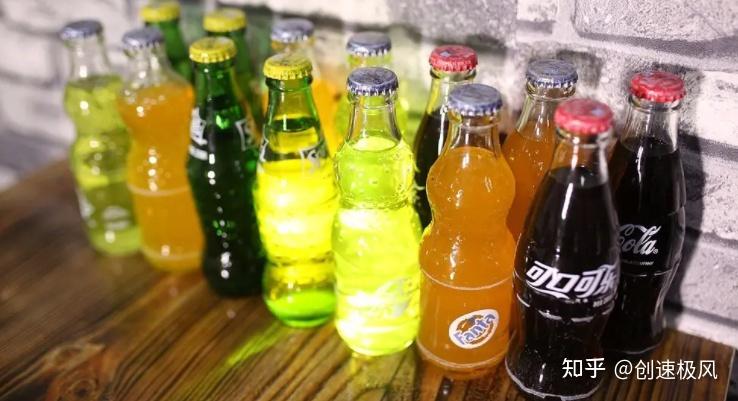
How Long is the Lifespan of a Glass Bottle? The Relationship Between Structure and Longevity
As a common container, glass bottles play a significant role in our daily lives. However, many people are not entirely clear about just how long a glass bottle can last. In fact, the structure of a glass bottle is closely related to its lifespan.
A glass bottle mainly consists of three parts: the base, the body, and the neck. Each of these components is meticulously designed to ensure the bottle has sufficient strength and stability. The base is typically thicker than the body and neck to enhance stability and prevent cracking or deformation. The body is usually cylindrical, a shape that provides better balance and stability when holding liquids. The neck, used for filling and pouring, must have appropriate dimensions and strength.
Regarding the lifespan of glass bottles, external factors must first be considered. For example, if a glass bottle is accidentally dropped from a height onto a hard surface, it may crack or shatter. Additionally, prolonged exposure to high or low temperatures can adversely affect glass bottles. Thermal expansion and contraction may cause cracks or even breakage. Therefore, it is important to handle glass bottles with care and avoid sudden temperature changes during use.
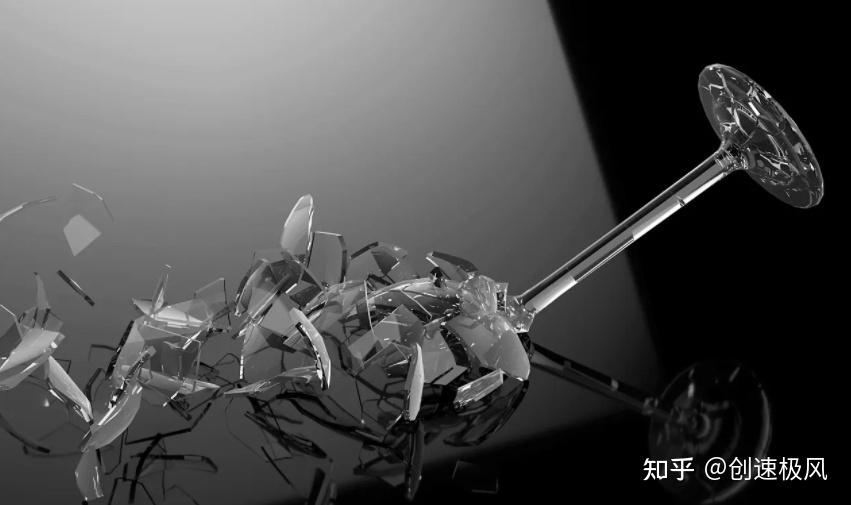
How Long is the Lifespan of a Glass Bottle? The Impact of Environmental Factors
Glass bottles are commonly used containers, widely employed for storing food, beverages, and other items. They are popular due to their transparency, heat resistance, and non-toxic, odorless properties. However, have we ever wondered how long these glass bottles can endure? In fact, the lifespan of glass bottles is astonishing, but environmental factors play a crucial role in determining their longevity.
Although glass itself is a heat-resistant material, extreme temperatures can cause damage. When glass bottles are stored in high-temperature environments, the glass may expand, leading to cracks and causing the contents to spill or become contaminated. Conversely, in low-temperature environments, glass bottles can become brittle and prone to breaking. Therefore, glass bottles should be stored within a suitable temperature range to extend their usability.
Light, temperature, and humidity all affect the preservation capabilities of glass bottles, so it is important to choose an appropriate storage environment to protect their contents. Additionally, proper use and maintenance are key to extending the lifespan of glass bottles. Only when used and maintained in suitable environments can we fully leverage their advantages and ensure the quality and safety of the contents.

How Long is the Lifespan of a Glass Bottle? Special Protective Technologies for Glass Bottles
Glass bottles are one of the most common containers in our daily lives, widely used for storing food, medicines, cosmetics, and more. However, have you ever wondered just how long a glass bottle can last?
In fact, with the application of special protective technologies, the lifespan of glass bottles can be exceptionally long. First, glass bottles exhibit excellent corrosion resistance. Unlike plastic or metal bottles, glass bottles are unaffected by the acidity or alkalinity of food. Whether storing juice or vinegar, glass bottles can be safely used as containers because they do not react with food or release harmful substances.
Despite their impressive lifespan, proper use and care of glass bottles are still essential. First, avoid exposing glass bottles to sudden temperature changes, as this can cause thermal expansion and contraction, leading to cracks. Second, handle glass bottles gently to prevent dropping or impact. Finally, when cleaning glass bottles, use mild detergents and soft brushes, avoiding abrasive items that could scratch the surface.
Through special protective technologies, the usable lifespan of glass bottles can be remarkably extended. Their corrosion resistance, excellent sealing performance, reusability, and enhanced strength and wear resistance make glass bottles indispensable containers in our daily lives. We should use and maintain glass bottles correctly to maximize their utility while contributing to environmental protection and resource conservation.
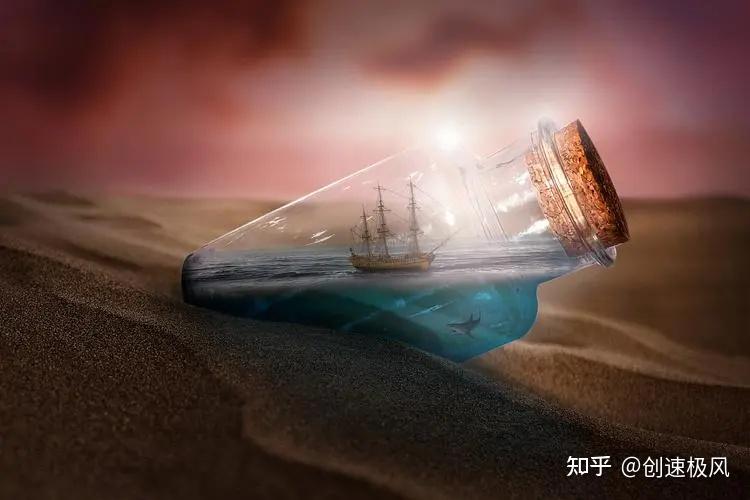
How Long is the Lifespan of a Glass Bottle? Reuse and Recycling of Glass Bottles
The actual lifespan of glass bottles is remarkably long. Compared to plastic containers, glass bottles have significant advantages due to their stability and durability. Generally, as long as they are not subjected to external impact or damage, glass bottles can be used for many years, even decades. This makes glass bottles the preferred choice for environmentally conscious individuals.
In daily life, we can fully utilize used glass bottles. For example, repurpose glass bottles as vases to decorate our living spaces. Or use them as storage containers for small items, adding convenience to life. Additionally, glass bottles can be used for preserving or making homemade jams, honey, and other foods. These reuse methods not only extend the lifespan of glass bottles but also fully leverage their practicality and aesthetic appeal.
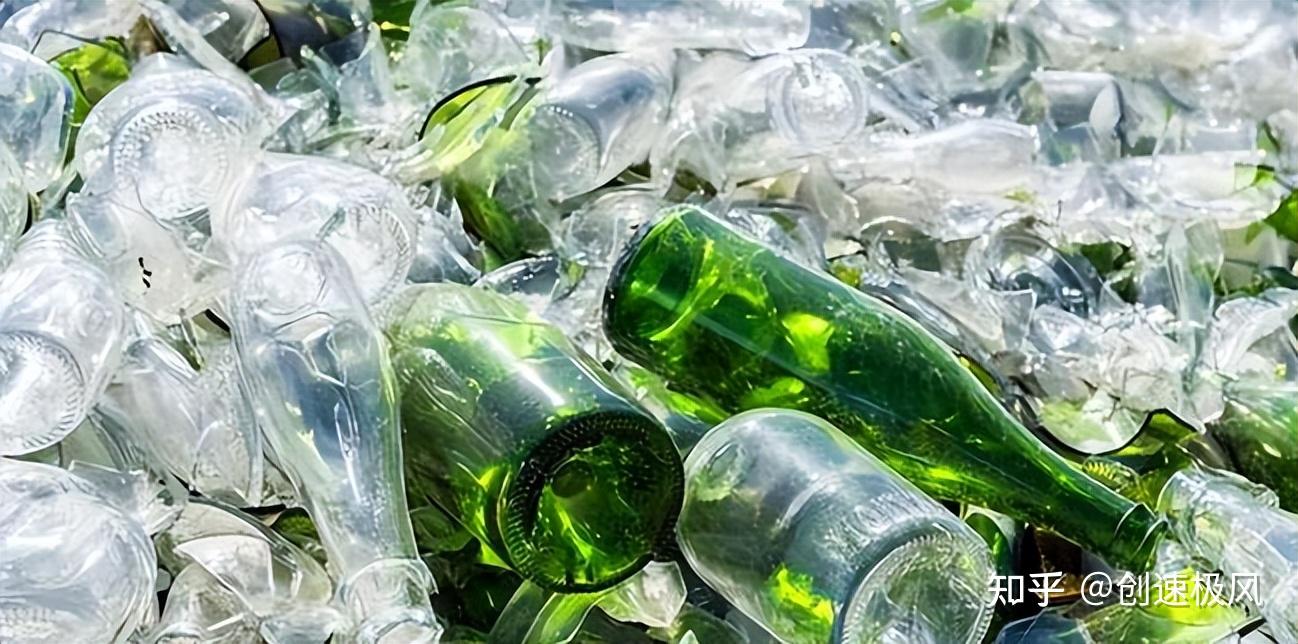
When we no longer need to use glass bottles, recycling is also a responsible choice. Recycling glass bottles can effectively reduce resource waste and promote environmental protection. Recycled glass bottles can be melted down at high temperatures to create new glass products. This process not only conserves raw materials but also reduces energy consumption and carbon dioxide emissions. Therefore, recycling glass bottles not only has positive implications for environmental protection but is also an inevitable choice for sustainable social development.
How Long is the Lifespan of a Glass Bottle? The Science and Culture Behind the Story of Glass Bottles
As a common container, glass bottles play an important role in our daily lives. They can store various liquids and solids, keeping them fresh and safe. However, have you ever wondered: just how long can a glass bottle last?
In a museum in Amsterdam, Netherlands, an astonishing glass bottle is on display. This glass bottle is over 3,000 years old! It was discovered in an ancient Egyptian tomb, preserved intact. This amazes us and prompts deeper reflection on the science and culture behind the long-term preservation of glass bottles.
The long-term preservation of glass bottles is closely related to careful protection and proper use by people. Ancient Egyptians regarded glass bottles as precious and sacred items, used to store things they considered important, such as liquids, medicines, and spices. Since the Middle Ages, glass bottles have become collectibles and decorations for the nobility, endowed with greater cultural significance. This history has made glass bottles not just containers but also symbols and heritage. Thus, people have made tremendous efforts to preserve and maintain glass bottles, gradually developing the preservation techniques we have today.
Despite their astonishing longevity, glass bottles are not eternal. Prolonged use and storage may lead to aging and damage. Particularly in harsh environments or with improper use, glass bottles can easily break or suffer other forms of damage. Therefore, when using glass bottles, we must still take care to protect them and avoid unnecessary loss and waste.
After unveiling the secrets of glass bottles, we cannot help but be astonished by the stability in nature. The lifespan of glass bottles is truly astounding! However, this also sparks a series of reflections and debates. Some believe that the long lifespan of glass bottles is a great achievement of modern craftsmanship, demonstrating human progress in materials science. Yet others worry that the excessive longevity of glass bottles may have negative environmental impacts.
In China alone, nearly 6 billion discarded glass bottles are landfilled each year, taking centuries to fully degrade. This compels us to reflect: how can we more responsibly handle discarded glass bottles? Perhaps we can learn from the advanced experiences of other countries and promote the recycling and reuse of glass bottles. Only through proactive action can we truly address this issue and protect our shared home.

2 thoughts on “The Secret of Glass Bottles Revealed: When Nature’s Stability is Broken, How Long is Their Astonishing Lifespan?”
This is pure gold. Thank you for sharing your expertise.
Pingback: hello world